
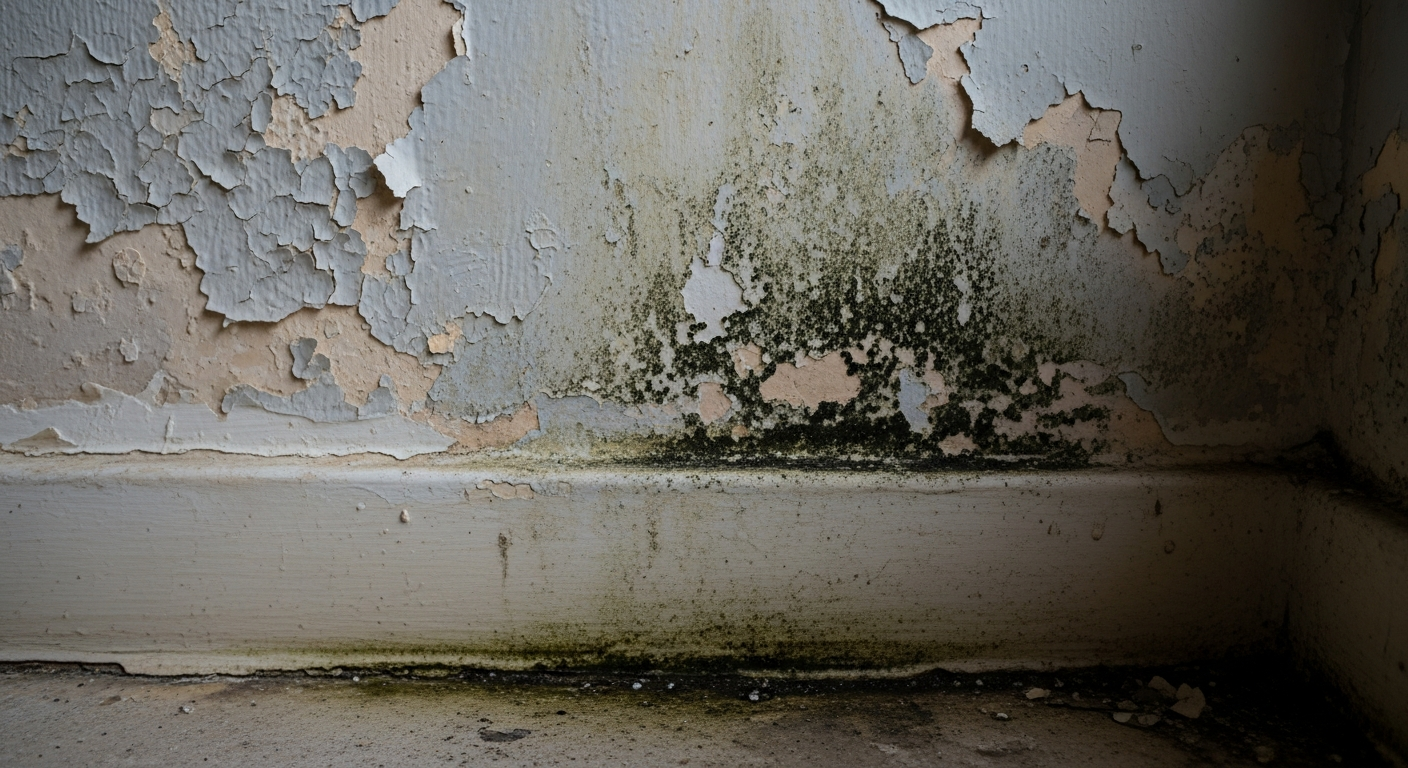
One of the most unsettling discoveries any homeowner can make is evidence of damp. Whether you have spotted a suspicious stain creeping across a ceiling, noticed wallpaper beginning to peel away from the wall, or detected that unmistakable musty smell in a room that simply will not go away, recognising the signs of damp in a house early is one of the most important steps you can take to protect both your property and your family’s health. Left untreated, damp can cause significant structural damage and contribute to a range of serious health problems, making early identification and professional treatment absolutely essential.
At Bio-Kil, we work with homeowners and landlords across Bournemouth and Dorset every day, helping them identify damp issues and put effective, long-lasting solutions in place. In this guide, we walk you through the key warning signs to look out for, explain the different types of damp, and help you understand when it is time to call in the professionals.
Why Damp Is a Particular Challenge in Bournemouth and Dorset
Properties across Bournemouth and Dorset face some unique challenges when it comes to moisture and dampness. The South Coast’s coastal climate brings higher levels of rainfall, sea air, and humidity, all of which increase the risk of moisture ingress in residential properties. Older Victorian and Edwardian homes, which are common throughout the region, were often built with solid walls and without modern damp-proof courses, making them more vulnerable to both rising damp and penetrating damp.
Combined with the natural wear and tear that comes with ageing buildings, and the variety of local property types from terraced town houses to larger detached family homes, it becomes clear why dampness is such a frequent concern for homeowners in our area. Understanding the warning signs is the first step towards dealing with the problem effectively.
The Most Common Signs of Damp in a House
Damp can manifest in a number of different ways, and the signs are not always immediately obvious. Here are the key indicators that moisture may be present in your home.
Visible Mould Growth
Black, green, or grey mould appearing on walls, ceilings, or around window frames is one of the most recognisable signs of a damp problem. Mould growth thrives where moisture is consistently present, and while small patches may seem minor, they are often a symptom of a deeper underlying issue that will only worsen without proper treatment.
Damp or Wet Patches on Walls
Discoloured patches, wet patches, or tide marks on internal walls are a clear sign of moisture ingress. These patches may feel cold or wet to the touch and can vary in size depending on the severity of the problem. In cases of rising damp, you will typically notice these concentrated at the base of walls.
Peeling or Bubbling Wallpaper and Paint
When moisture penetrates a wall, it causes wallpaper to peel away from the surface or paint to bubble and flake. This is often one of the earlier visual signs of dampness in a property and should not be dismissed as simple wear and tear to the decoration.
A Persistent Musty Smell
Even where there are no visible signs, a persistent musty or stale smell is often a strong indicator of hidden dampness. This odour is caused by mould spores and damp building materials, and it is particularly common in poorly ventilated spaces such as under-stairs cupboards, cellars, and bathrooms.
Efflorescence on Brickwork
White, chalky deposits on exterior or interior brickwork are a sign of efflorescence, which occurs when water moves through masonry and carries soluble salts to the surface. This is a useful indicator that water is actively passing through your walls.
Condensation on Windows and Cold Surfaces
Persistent condensation on windows, particularly first thing in the morning, or on cold surfaces such as pipes and external walls, is a sign that your home may have a condensation problem. Condensation buildup is especially common during the colder months and in rooms where moisture-generating activities such as cooking or showering take place regularly.
The Three Main Types of Damp
Not all damp is the same, and correctly identifying the type of dampness affecting your property is crucial to ensuring the most appropriate treatment is applied. There are three main types of damp that affect homes across the UK.
Rising Damp
Rising damp occurs when groundwater is drawn upwards through the structure of a wall by capillary action. It is most commonly found in properties where the damp-proof course is absent, damaged, or has been bridged by raised soil levels, garden beds, or external paving. The signs of rising damp typically include a tide mark approximately one metre above floor level, damp patches concentrated at the base of walls, and salt staining or deteriorating plaster at low level. Our damp treatment specialists can carry out a thorough inspection of your property and recommend the most effective course of action.
Penetrating Damp
Penetrating damp is caused by water entering a property from outside, typically through defects in the building fabric. Common causes include damaged or blocked guttering, cracked render, deteriorating pointing in brickwork, and poorly sealed window or door frames. Unlike rising damp, penetrating damp can appear at any height on a wall and is often directly linked to periods of heavy rainfall.
Condensation
Condensation is the most widespread form of damp in UK homes. It occurs when warm, moisture-laden air comes into contact with a cold surface, releasing that moisture onto walls, windows, and other surfaces. It is particularly prevalent in kitchens, bathrooms, and bedrooms, and is strongly associated with inadequate ventilation. Whilst condensation may appear less severe than other forms of dampness, it can still lead to significant mould growth and surface damage if left unaddressed. Find out more about how we manage and treat condensation on our condensation management page.
Signs of Damp in Older Properties
Older properties, particularly those built before the 1920s, present a unique set of challenges when it comes to damp. Many of these homes were constructed with solid brick or stone walls designed to absorb and naturally evaporate moisture, relying on breathable lime plaster and lime mortar to manage the movement of water through the building fabric. Problems often arise when modern cement renders, gypsum plasters, or plastic film-forming paints are applied over original materials, as these can trap moisture within the wall and accelerate damage considerably.
In older properties, look out for:
- Damp patches at the base of walls or around chimney breasts
- Deteriorating or crumbling plaster
- Staining around window reveals and door frames
- White salt deposits on internal masonry
- Softening skirting boards or signs of timber decay at floor level
If you own or are considering purchasing an older property in Bournemouth or Dorset, a professional damp survey is strongly recommended to establish the true extent of any moisture issues before they become more costly to address.
The Health Risks of Living with Damp
Damp is not only a structural concern. According to UK Government guidance on damp and mould, exposure to damp conditions and mould growth can have a serious impact on health, particularly affecting the respiratory system. Those considered most vulnerable include young children, the elderly, and anyone living with a pre-existing condition such as asthma, bronchitis, or a compromised immune system.
Health problems associated with living in a damp property include:
- Respiratory infections and worsening asthma symptoms
- Allergic reactions including persistent sneezing, runny nose, and watery eyes
- Skin irritation and aggravated eczema
- Increased susceptibility to chronic respiratory conditions
Acting quickly when you first notice the signs of damp is not just about protecting your bricks and mortar. It is about protecting the wellbeing of the people who live in your home.
How Damp Can Damage Your Home’s Structure
Beyond the health risks, persistent dampness can have a serious and costly impact on the structural integrity of your property. Damp conditions create the ideal environment for wet rot and dry rot to develop in timber elements such as floor joists, roof timbers, window frames, and door frames. Both forms of timber decay can spread rapidly and, if left untreated, can compromise the structural safety of a building significantly.
At Bio-Kil, we specialise in wet rot and dry rot repairs and can assess the extent of any timber damage as part of a wider property inspection. Treating the source of the damp is always the first priority, but ensuring that any resulting timber damage is identified and remedied is equally important for the long-term protection of your home.
Poor sub-floor ventilation is also a significant contributor to damp conditions and timber decay in properties with suspended timber floors. If you are experiencing humidity issues or damp problems in ground-floor rooms, it is well worth investigating whether your sub-floor has adequate airflow. Find out more about our sub-floor ventilation systems.
Why a Professional Damp Survey Matters
Whilst the warning signs outlined in this guide can help you identify that a problem may exist, accurately diagnosing the cause of dampness requires specialist knowledge, experience, and equipment. Misidentifying the type of damp can lead to inappropriate treatments that fail to resolve the issue at source and may cause further damage over time.
The Royal Institution of Chartered Surveyors (RICS) recommends that homeowners seek professional advice when dealing with damp, particularly in older properties where the source of moisture may not be immediately apparent. A professional damp survey makes use of specialist moisture meters and diagnostic tools to pinpoint the precise nature and extent of any problem, ensuring the right treatment is recommended from the outset.
At Bio-Kil, our process is clear and straightforward:
- Book a Survey – Contact our team to arrange a convenient appointment at your property.
- Detailed Inspection – One of our experienced surveyors carries out a thorough assessment of the affected areas.
- Clear Report and Quote – We provide a clear, jargon-free report alongside a competitive, no-obligation quote.
- Treatment and Protection – Our specialists carry out the agreed treatment using proven methods and quality materials, delivering results designed to last.
Why Homeowners Across Bournemouth and Dorset Choose Bio-Kil
We have been helping homeowners and landlords protect their properties from damp, timber decay, and moisture-related issues across Bournemouth and Dorset for many years. Our reputation is built on delivering results that our customers can rely on, and we are proud that so many of our clients return to us time and again.
Here is what some of our customers have said about their experience with us:
“Prompt, effective and efficient. I have used Bio-Kil many times for the problems in my rented properties especially with damp. They always offer a professional approach and leaves the property as they found it with the problem solved.”
“Thanks to Brooke and the team for an excellent job solving my damp problem. From start to finish they were friendly and professional. I would highly recommend Bio-Kil.”
“I have used this firm for many years with many properties and find their service excellent and reasonably priced. Work always carried out on time and left clean and tidy.”
Every treatment we carry out is backed by our 20-year guarantee, providing you with genuine, long-term peace of mind. We do not take a one-size-fits-all approach. Instead, we develop tailored treatment plans designed specifically for your property and its individual circumstances, ensuring the most effective and lasting outcome possible.
Concerned About Damp? We Are Here to Help
If you have noticed any of the signs of damp described in this guide, do not wait for the problem to worsen. Early intervention is almost always more straightforward and cost-effective than remedial work carried out after damage has had time to spread through your property.
Whether you are a homeowner, a landlord, or in the process of buying a property in Bournemouth or Dorset, the team at Bio-Kil is ready to help. Contact us today to book a damp survey or request a quote, and take the first step towards a drier, healthier, and better-protected home.